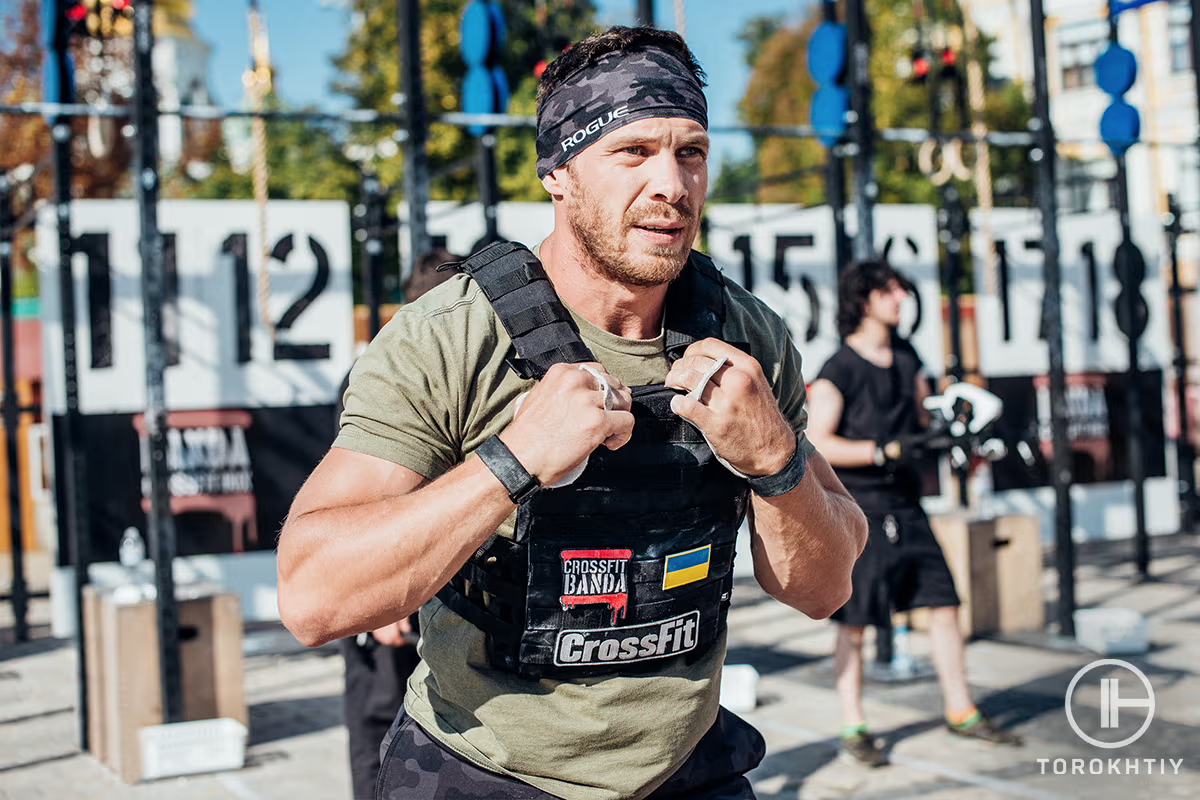
The use of weighted vests in fitness training has surged in popularity, and firefighters are at the forefront of this trend.
A weighted vest is exactly what it sounds like – a vest with pockets for adding weight, worn to increase resistance on the body during exercise.
For career firefighters and aspiring recruits alike, training with a weighted vest can be a game-changer. Why? Because it mimics the heavy gear and high physical demands of firefighting, while amplifying the benefits of regular workouts.
The Rise of Weighted Vest Training in Firefighting and Fitness
Weighted vests have transitioned from a niche training tool to a mainstream fitness aid. They are increasingly showing up in boot camp classes, CrossFit boxes, and on jogging tracks, often touted by trainers and social media influencers for their versatility and effectiveness.
A major reason for this rise is the focus on functional fitness. Workouts that mimic real-life challenges, like carrying equipment or climbing stairs.

See the comparision of the top rated weighted training vests below.
CrossFit Influence:
The CrossFit community played a big role in popularizing weighted vests. One iconic example is the “Murph” workout – a Memorial Day tradition consisting of a 1-mile run, 100 pull-ups, 200 push-ups, 300 squats, and another 1-mile run, all performed while wearing a 20-pound vest. This challenging hero WOD demonstrated to a wide audience how adding a vest can turn bodyweight exercises into a true test of strength and endurance. The Murph and similar events have helped cement the weighted…
Social Media and Trends:
Beyond CrossFit, the general fitness world has caught on. Influencers showcase weighted vest hikes, runs, and calisthenics, claiming benefits ranging from stronger bones to faster weight loss. Fire academies and training programs have also incorporated vest workouts, seeing the value in preparing recruits with job-specific resistance. What was once a specialized tool for tactical athletes is now common gear in fire station gyms and even neighborhood parks.
Key Benefits of Weighted Vest Workouts for Firefighters
Training with a weighted vest offers several advantages, especially for those in firefighting or preparing for the role. By effectively turning everyday exercises into more intense, weight-loaded activities, vests can accelerate fitness gains in a targeted way.
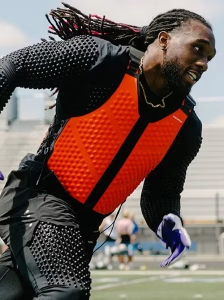
- Adjustable Comfort Fit
- Low-Profile Design
- Flexible Materials
- Ultra-Durable Construction
- Quick-Release side cinch
Here are Some Of The Key Benefits:
Improved Strength and Endurance:
The added weight forces your muscles to work harder during movements, building greater strength and muscular endurance over time. For firefighters, this translates to better performance in physically demanding tasks – from hoisting heavy equipment to carrying victims.
Simulated Firefighting Conditions:
A weighted vest is one of the best ways to mimic real-life scenarios firefighters face. Donning 20–50 extra pounds during training replicates the feeling of wearing turnout gear and SCBA in a fire.
Higher Calorie Burn & Cardiovascular Fitness:
Workouts become more intense when you carry extra weight, which means your heart and lungs work harder. As a result, wearing a weight vest can increase the cardiovascular challenge of exercises and boost your calorie burn significantly.
Enhanced Balance and Stability:
Carrying a heavy load on your torso shifts your center of gravity. Training under this condition forces your body, especially your core and stabilizer muscles, to adapt and develop better balance.
Increased Challenge and Motivation:
Using a weighted vest simply makes workouts more challenging and interesting. This can be a huge motivational factor for both recruits and seasoned firefighters.
Safe and Effective Use:
How to Incorporate Weighted Vests
While weighted vests offer many benefits, using them correctly is crucial to avoid injury. It’s important to progress gradually and listen to your body. Best practices include starting light (5–10% of bodyweight), maintaining good form, and choosing a well-fitted, durable vest. Those with injuries should consult a doctor before beginning vest training.

Applications in Firefighter Testing and Training
One reason weighted vests are so relevant for firefighters is their direct application in firefighter fitness tests and real on-duty tasks. For example, the Candidate Physical Ability Test (CPAT) requires recruits to wear a 50-pound vest (plus an additional 25 pounds on the stair climb). Training with a weighted vest is one of the most effective ways to prepare for this test and similar fire academy drills. Vests also integrate well with CrossFit, HIIT, and functional training circuits commonly used by firefighters.
Conclusion
The evolution of firefighter fitness has always centered on preparing for the realities of the job. Weighted vests have emerged as a powerful tool in that preparation. By adding extra weight to your body during exercise, you condition yourself for the challenges of wearing heavy gear and performing strenuous tasks. The growing popularity of weighted vest workouts – from firehouse gyms to CrossFit competitions – is a testament to their effectiveness in building strength, endurance, and resilience.
For career firefighters aiming to stay in peak condition and for recruits training to pass their physical tests, a weighted vest can provide that extra edge. With dedication and smart training, you’ll carry the weight of your gear – and the responsibility of the job – with greater ease and pride.
Comparison of Top Adjustable Weighted Vests
This chart compares three of the top-rated adjustable weighted vests that have weight rangest from 20 to 60 pounds and are available on Amazon.
These models are frequently recommended for firefighter training and functional fitness.
The chart highlights cost, weight range, adjustability, ease of use, durability, comfort, and additional features.
|
Featured Vest |
Omorpho G Vest | RUNmax Pro Weighted Vest (12–60 lbs) | CAP Barbell Weighted Vest (up to 60 lbs) |
| Price Range | 299.00 (60 lb version, weights included) | $40–$100 (12–60 lb, weights included; pads extra) | $50–$120 (20–60 lb models) |
| Weight Range & Adjustability | 20–60 lbs, adjustable in 3 lb increments (iron blocks) | 0–60 lbs, adjustable with sand weight bags | 0–60 lbs, adjustable with 4 lb weight packets |
| Ease of Use | Zipper front closure; short high-cut design; easy in/out iron blocks | Velcro straps, phone & water bottle pocket; sand bags take time to load | Adjustable waist belt & clips; reflective strips; packet loading takes time |
| Durability | 1200D reinforced nylon, lifetime warranty, extremely durable | Tough nylon, decent stitching, lifetime warranty; good for price | Reinforced nylon/polyester mesh; no lifetime warranty; may wear with heavy use |
| Comfort & Fit | Padded shoulders, mesh lining, snug fit; minimal bounce | Optional shoulder pads, even weight distribution, mid-length vest | Padded shoulders, breathable mesh, adjustable belt, reflective accents |
| Additional Features | Machine washable (remove weights), minimalist design | Phone pocket, water bottle holder, lifetime warranty | Reflective strips, anchor hooks for sprint resistance, machine washable |
| Amazon Rating | ≈ 4.6/5 (well-reviewed, durable, trusted by firefighters) | ≈ 4.7/5 (thousands of reviews, excellent value) | ≈ 4.4/5 (12,000+ reviews, popular budget choice) |